This process helps you to change your sleep habits, which could include cutting down on alcohol too close to bedtime. Whatever anxieties,demands or pressures are making https://ecosoberhouse.com/ you think you need alcohol to fall asleep – Subconsciously takes you away from it all. Put it on at bedtime and you’ll become immersed in soporific indulgence.
- Quit alcohol, and your body begins to readjust without its habitual depressant.
- Even for those who don’t make it a whole month without a drink, there are noted benefits to sleep quality.
- Medical disclaimerYou must not rely on the information provided on our website as an alternative to medical advice from your doctor or other healthcare professionals.
- When you stop drinking, your brain may rebound by increasing REM sleep, sometimes leading to an overload of vivid dreaming or even nightmares.
Sleep divorce: The benefits of sleeping in separate beds

But alcohol isn’t a good sleep aid, and relying on something to get to sleep doesn’t feel great. Fortunately, there are treatments and coping techniques that can help you get better rest, which can help you feel better during alcohol recovery. If you are experiencing sleep problems, be sure to talk to your doctor about your options. The first treatment for insomnia in recovery is sobriety, and many patients will see improvement. Sleep problems are often viewed as one of the last things to improve among people in alcohol recovery.
Remedy #7: Kratom
- Yet, most of the time, you continue to deal with the nagging feelings of missing out or being deprived.
- REM sleep is characterized by increased brain activity, relaxation of the body, rapid eye movements, and increased dreaming.
- Alcohol’s negative effects on sleep quality worsen after several nights of drinking.
- That might work if you sleep cool, but it won’t do much for you if you get sweaty.
A 2020 study found that people with ADHD are more likely to consume alcohol to treat their insomnia symptoms. While a drink now and then may have a sedative effect that causes you to drift off faster, research shows that it can impede sleep quality in the long run. Your daily habits and environment can significantly impact the quality of your sleep. Take the Sleep Quiz to help inform your sleep improvement journey. You might be able to banish alcohol insomnia fast — 80% of users get better sleep within five days.
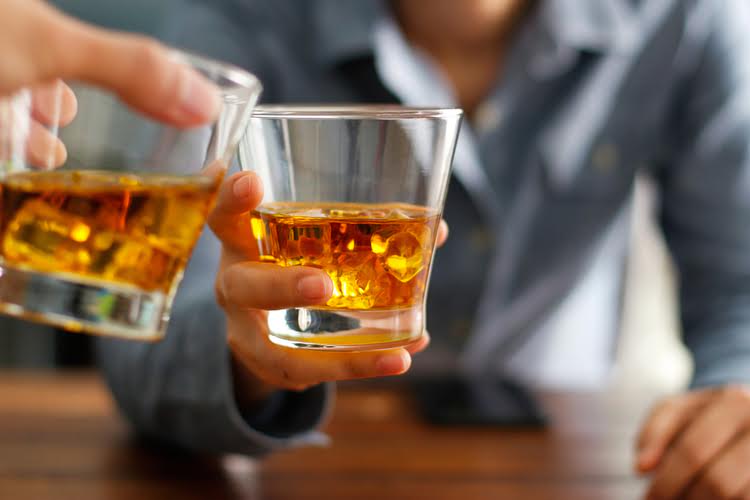
Remedies To Use If You Quit Drinking and Can’t Sleep
So, when you quit alcohol, your stress and anxiety levels may spike, and these elevated levels are not conducive to peaceful sleep. Patients of alcohol withdrawal often report frequent nighttime awakenings, difficulty falling asleep, and unsatisfactory sleep quality. Thankfully, these effects are temporary and subside as the body gradually acclimates to the absence of alcohol. can’t sleep without alcohol Over one-quarter of respondents say they’ve quit drinking for several months or more. Even for those who don’t make it a whole month without a drink, there are noted benefits to sleep quality. In addition to altering your sleep architecture, alcohol can disrupt your sleep by interfering with contributing to sleep disorders and interfering with circadian rhythms.